
What is Biological Engineering?
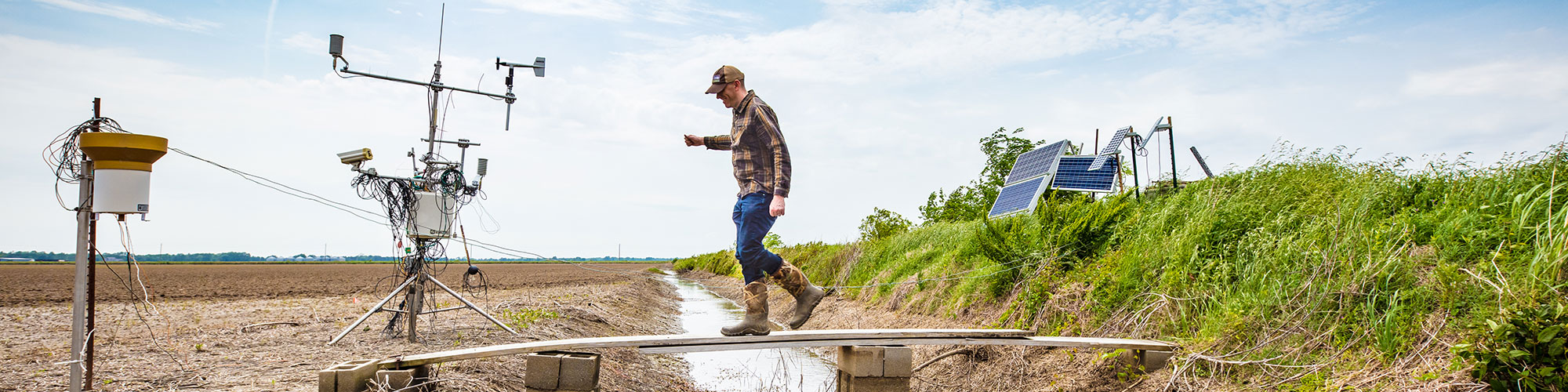
The intricate systems of life are all around us. Plants transform sunlight into energy and food. Water flows through streams and rivers, forming the earth’s circulatory system as it supports life and carries away waste for renewal. New forms of energy are being created from biodegradable products. As a biological engineer, you can learn how to control these systems to improve our health and that of our planet. Biological engineering graduates use knowledge of the natural world combined with engineering in greentech companies, environmental and ecological consulting companies and government agencies to design products and systems that protect the planet and enhance human life.
Future Students

Why choose the biological engineering department at the University of Arkansas?
Undergraduates
Find opportunities, resources and more about your biological engineering degree.
Graduates
See what the biological engineering graduate program has to offer!
Current News
Quick Links
Division of Agriculture
The Division conducts research & outreach with the mission to achieve, expand, and promote sustainability, profitability, stewardship, and safe and nutritious food supply.
Diversity & Inclusion
We pride our mission and values towards D & I in BioAg.
Forms & Resources
Be prepared,find student, travel and other forms.